
Understanding pico laser wavelengths is critical for selecting the right device for your clinical practice. The wavelength determines the depth of penetration, the target chromophore (melanin, hemoglobin, or ink), and ultimately, the efficacy and safety profile for different skin types.
1. Introduction to Wavelength Dynamics
In picosecond laser technology, wavelength is arguably the most critical specification. While the picosecond pulse duration provides the photomechanical effect that shatters target particles, it is the wavelength that dictates which particles are targeted and where in the skin they are located.
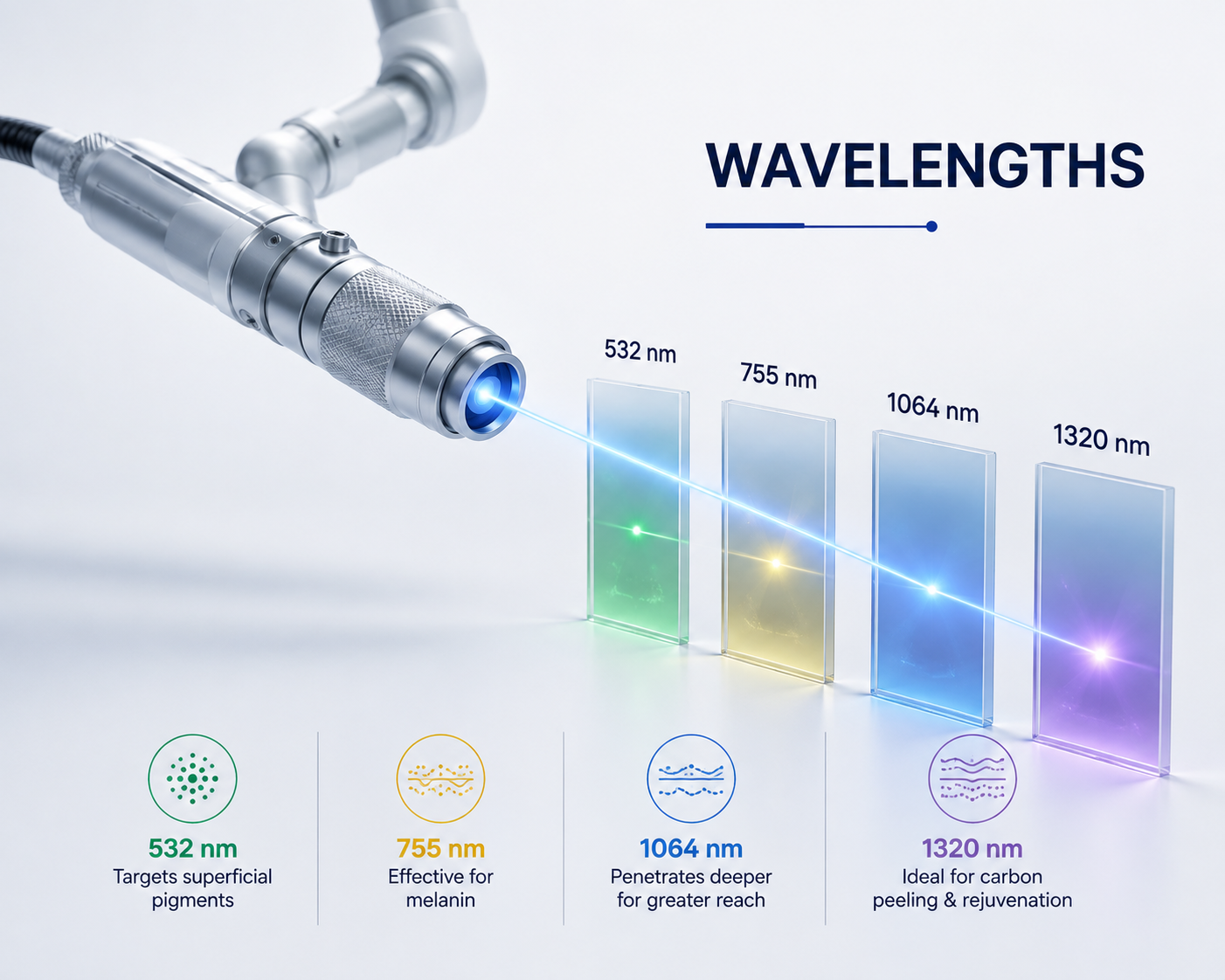
Figure 1: Skin Penetration Depth by Wavelength
2. Penetration Depth and Chromophore Absorption
The fundamental rule of laser physics in dermatology is: longer wavelengths penetrate deeper into the skin, but generally have lower absorption by melanin.
- 532nm (Nd:YAG): Highly absorbed by melanin and red ink. Penetrates shallowly, ideal for epidermal lesions and superficial pigmentation.
- 755nm (Alexandrite): Excellent balance of melanin absorption and penetration depth. The gold standard for treating benign pigmented lesions and green/blue tattoo inks.
- 1064nm (Nd:YAG): Deepest penetration with lowest melanin absorption. Safe for darker skin types (Fitzpatrick IV-VI) as it bypasses epidermal melanin.
Key Takeaway
For treating multi-colored tattoos or a diverse patient demographic (Fitzpatrick I-VI), a multi-wavelength platform is essential. No single wavelength can effectively treat all pigment depths and colors safely.
3. Platform Wavelength Comparison
Different manufacturers approach wavelength configurations differently. Some rely on a primary solid-state laser (like the 755nm Alexandrite in the PicoSure Pro), while others use a 1064/532nm Nd:YAG base and generate additional wavelengths through dye handpieces or titanium sapphire resonators.
| Platform | Native Wavelengths | Derived/Dye Wavelengths |
|---|---|---|
| Cynosure PicoSure Pro | 755nm | 532nm, 1064nm |
| Candela PicoWay | 1064nm, 532nm, 730nm | 785nm |
| Cutera enlighten | 1064nm, 532nm, 670nm | - |
| Lutronic Hollywood Spectra | 1064nm, 532nm | 585nm, 650nm |
Need a Comprehensive Breakdown?
Download our complete guide comparing specifications of top 10 pico lasers.
4. Clinical Applications by Wavelength
Matching the correct wavelength to the clinical indication is paramount for success and safety.
Epidermal Pigmentation (Freckles, Solar Lentigines): The 532nm wavelength is highly effective here due to its strong melanin absorption and shallow penetration. However, extreme caution must be used on darker skin types due to the risk of post-inflammatory hyperpigmentation (PIH).
Dermal Pigmentation (Melasma, Nevus of Ota): The 1064nm wavelength is preferred for deeper dermal pigment, especially in Asian skin types, as it safely bypasses the basal layer melanocytes while reaching the deeper dermal target.
5. Final Considerations
When evaluating a pico laser for your clinic, consider your primary patient demographic. A clinic treating predominantly skin types IV-VI will prioritize a strong 1064nm capability. A clinic specializing in tattoo removal will need access to 532nm, 755nm/730nm, and 1064nm to cover the full spectrum of ink colors.
Ready to Make an Informed Decision?
Get exclusive pricing data and unbiased reviews in our full report.